Industrial AI Consulting & R&D

Boost real-time AI with Smart-Context

Mimetik develops AI systems and industrial devices that support people directly on the shopfloor.

Our AI solutions combine sensing devices, enterprise knowledge systems, and worker interfaces so people can interact with AI using the operational context to deliver more precise answers.

We work with industrial partners to identify high-impact AI opportunities, develop functional prototypes including interaction devices, and deploy context-aware AI systems on shopfloors.

What We Build

AI Systems with Smart-Context for Factories

Industrial work is highly contextual, and technicians need the right documentation, specifications, and troubleshooting knowledge while working on equipment.

Mimetik builds AI systems that combine sensing, enterprise knowledge, and worker-facing devices, so AI can understand the task precisely and support people with short and crispy answer in real time.

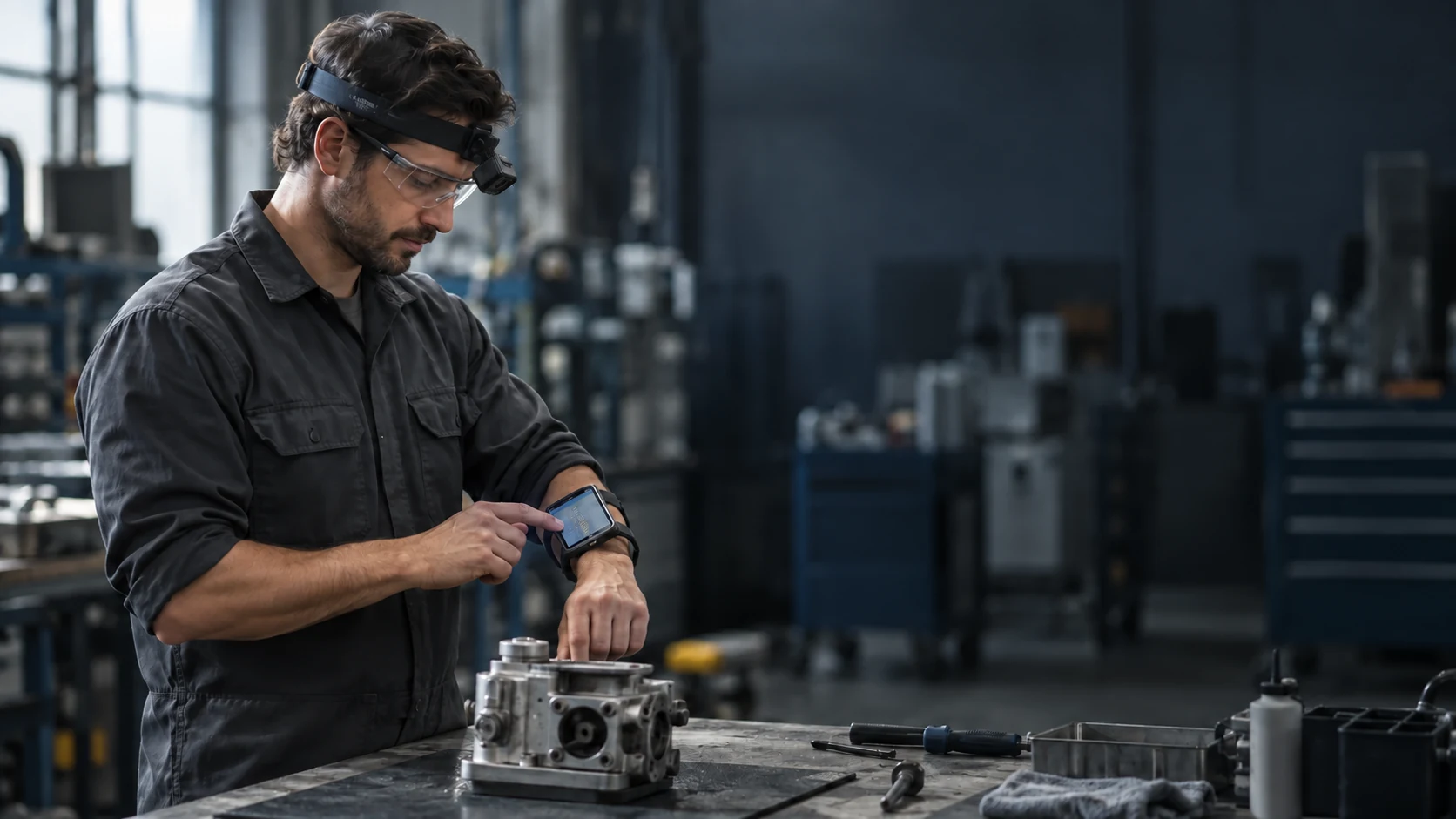
Observe Capture operational signals from workers, tactile devices, equipment, and enterprise systems. See more See less

Industrial AI systems must first understand what is happening during real work tasks.

The Observe layer captures operational signals that describe the technician’s environment, task, and equipment interaction.

Typical sensing sources include:

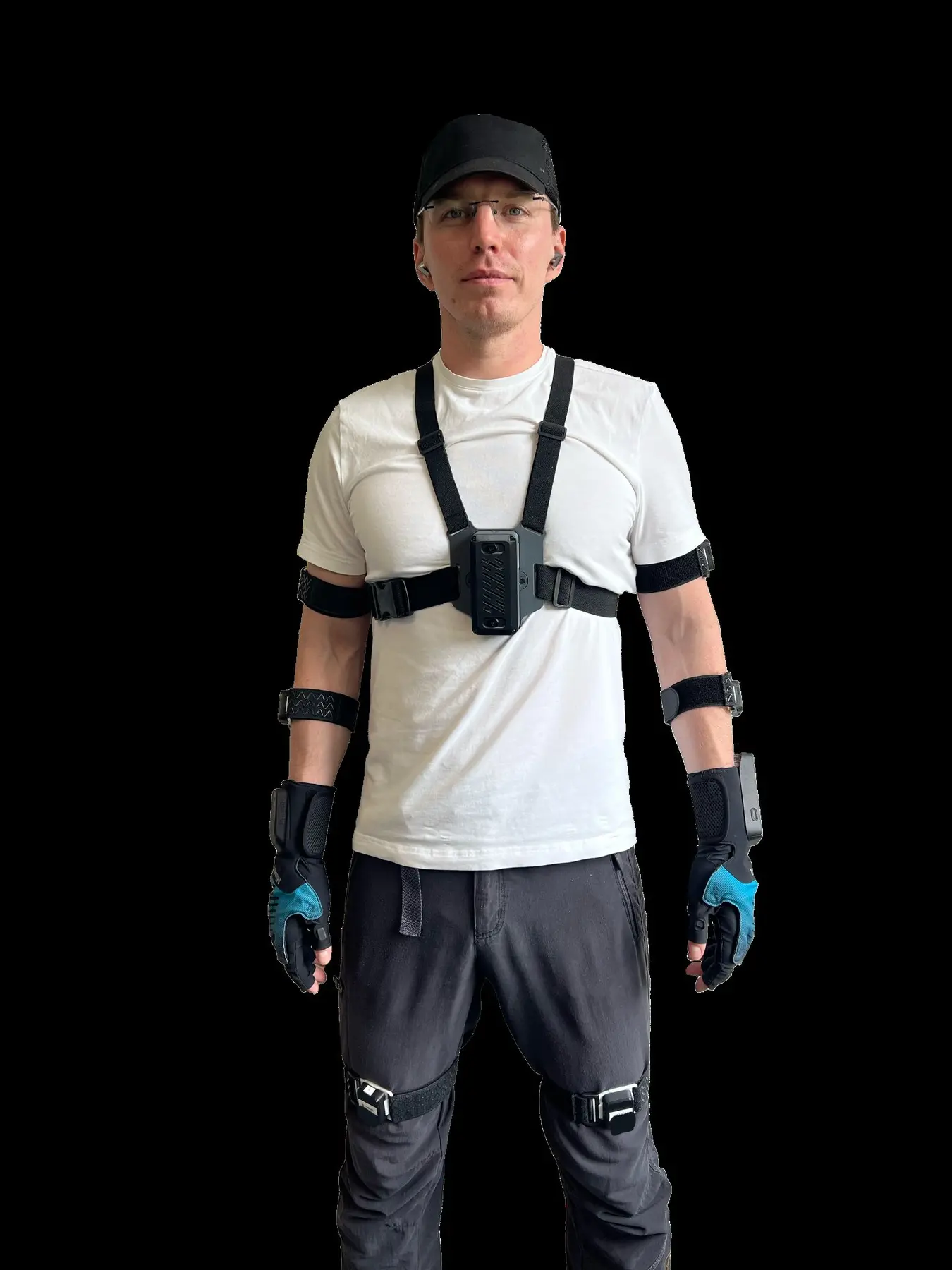
  • wearable tactile devices such as the Mimetik AI Glove
  • equipment identification technologies such as RFID, NFC, or barcode scanning
  • operational signals such as worker location, work order status, and task progress
  • enterprise information sources such as MES systems, ERP systems, QMS documentation, technical manuals, and maintenance records

By combining these signals, AI systems can understand the current task, equipment context, and relevant documentation with much higher precision.

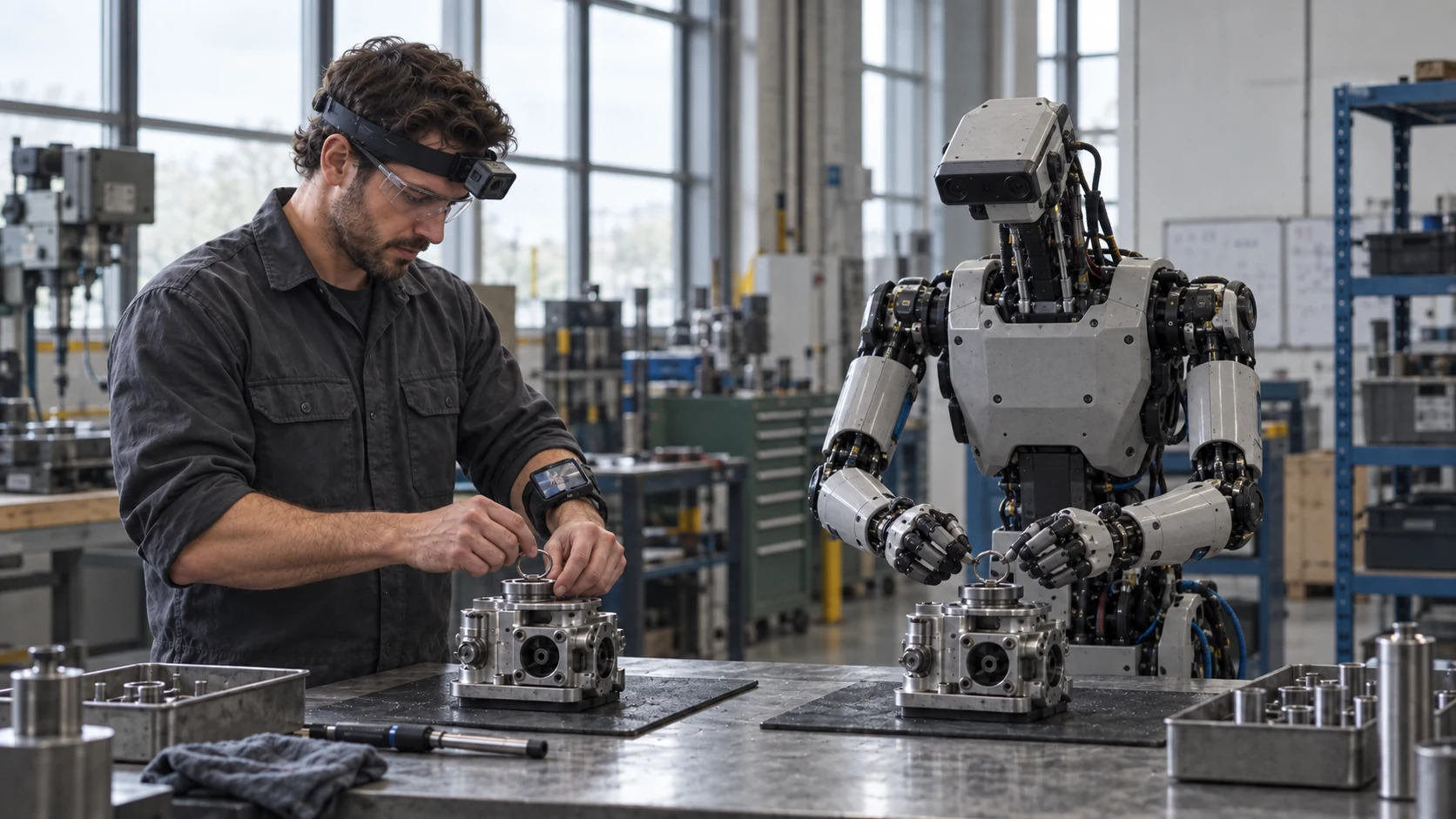
Interpret AI agents interpret the situation, analyze sensor signals, and retrieve relevant knowledge. See more See less

Interpretation is where AI creates most of the value: it turns captured signals into actionable understanding and prepares effective assistance.

AI agents combine multiple capabilities, including:

  • AI data science for analyzing workflow and sensor data
  • AI vision for recognizing equipment, components, or visual conditions
  • AI communication systems for natural language interaction and documentation retrieval

The key challenge is the tradeoff between how much context must be observed, how much the model must learn to interpret it, and how much intelligence is needed to make Assist truly useful. These tradeoffs evolve over time.

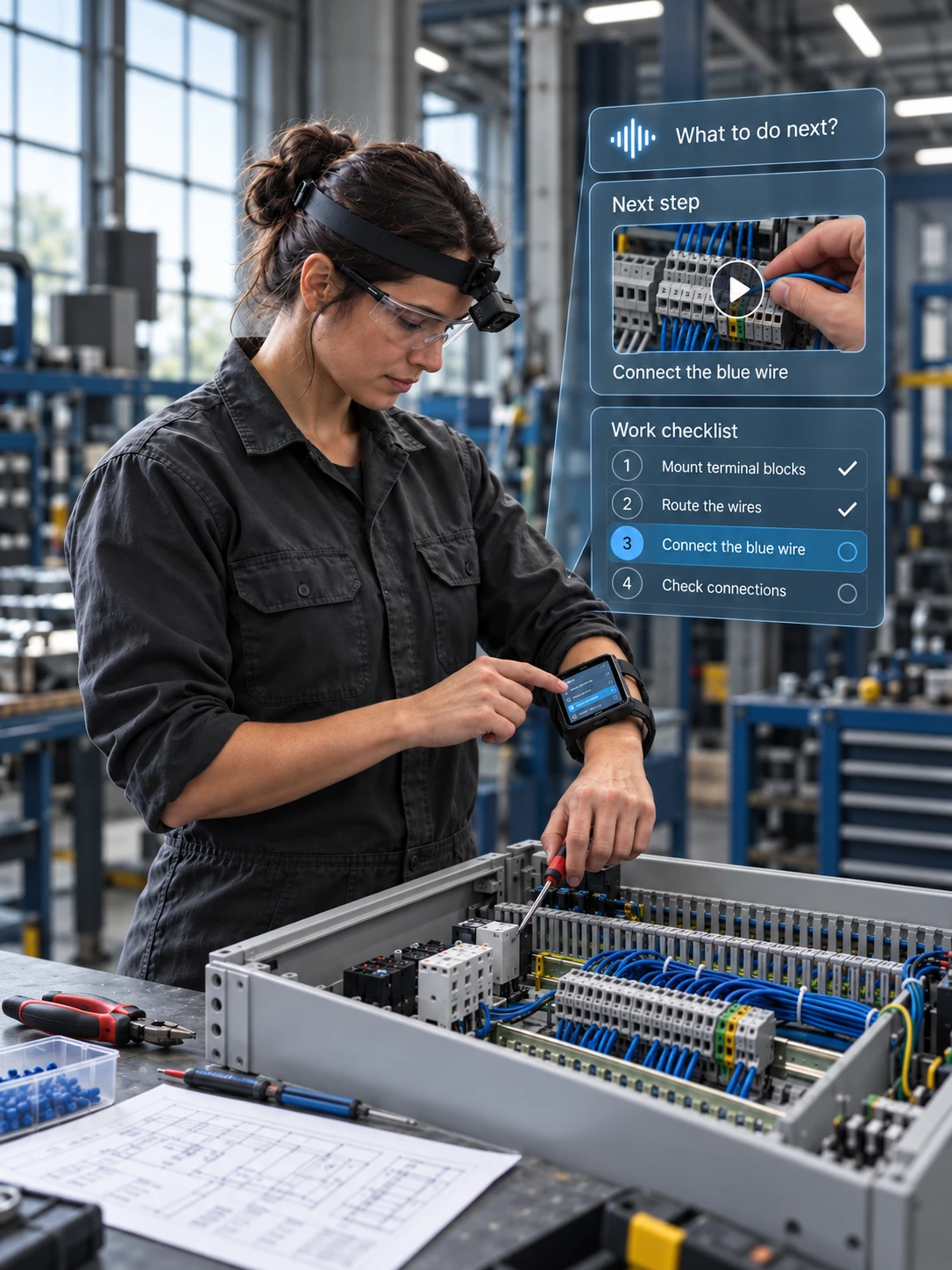
Assist Devices such as smartphones, smart glasses, scanners, and wearables let people use AI while feeding back task context. See more See less

Worker interfaces and connected devices give technicians instructions, technical knowledge, and a simple way to feed AI live task context without interrupting workflow.

Common interfaces include:

  • smartphones and tablets
  • wearable sensing devices
  • smart glasses
  • industrial scanners

This enables AI support to be part of the physical workflow through devices that workers use naturally while AI continuously receives the context it needs. We advise on the best-fitting devices.

Our Know-How

Mimetik AI Glove

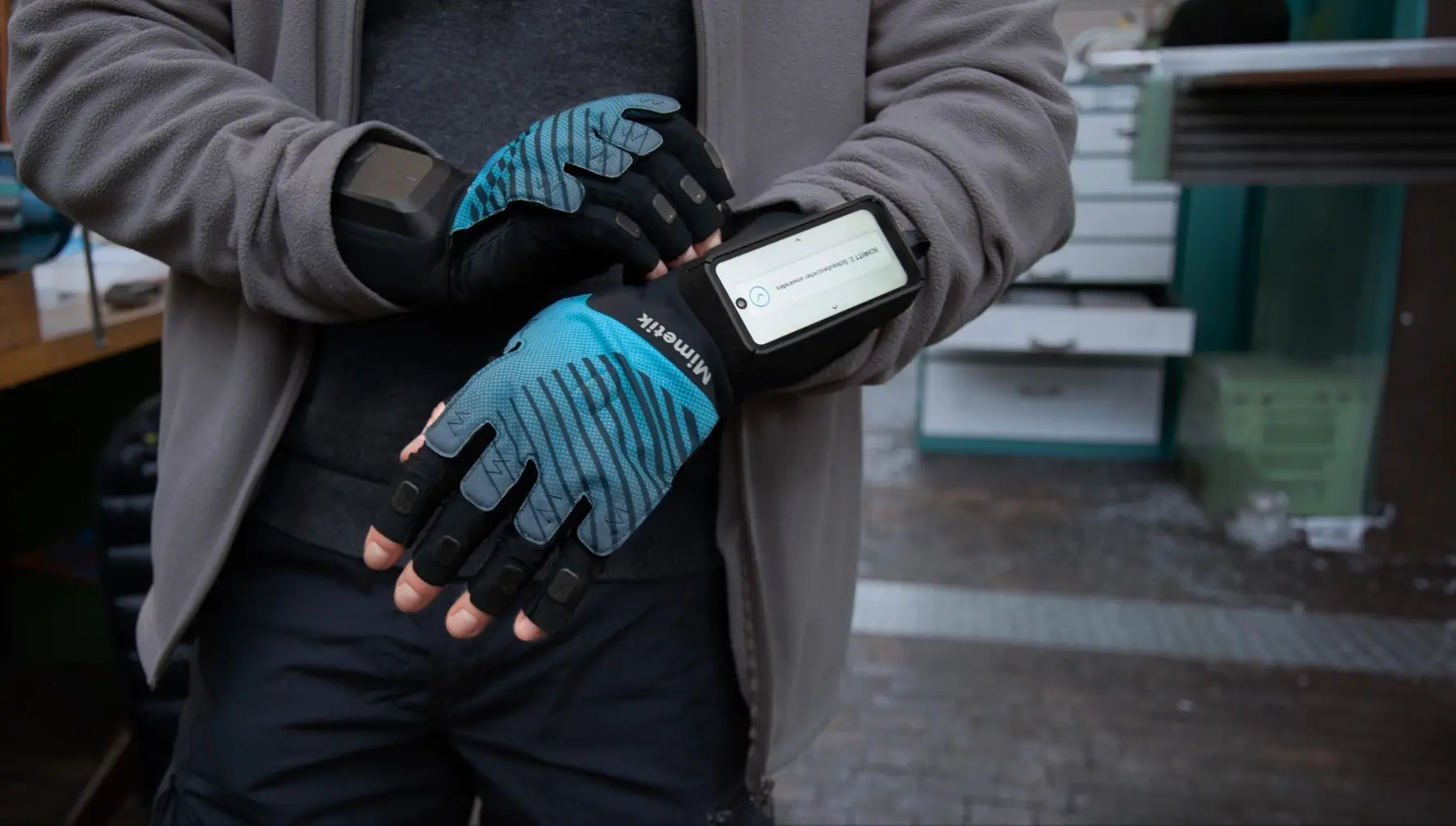
Mimetik AI Glove is an AI interaction device designed to capture both structured and unstructured manual actions during industrial work.

By analyzing hand and finger movements—including subtle micromotions—the glove’s AI can recognize patterns ranging from short, gesture-like sequences (similar to a language of the deaf) to complex patterns corresponding to full assembly work steps.

With the AI Glove, teams can:
  • Track manual steps and workflow deviations in real time
  • Spot inefficiencies and quality risks earlier
  • Turn hands-on work into actionable operational insight

How Industrial AI Works

Supporting Technicians in Manufacturing and Maintenance

AI systems can support operational work in several ways by combining AI reasoning with context-providing devices.

Real-Time Knowledge Retrieval

AI systems can retrieve relevant instructions, specifications, and procedures during maintenance or assembly tasks.

AI-Supported Troubleshooting

AI systems can assist diagnostics by analyzing manuals, maintenance records, and technical documentation.

Automated Work Documentation

AI systems can capture observations, work progress, and structured maintenance records during execution.

Technician Training

AI systems can provide contextual guidance while technicians perform real work tasks and interact through wearables or other industrial devices.

Example Scenario

AI-Supported Maintenance Workflow

1

A technician arrives at a machine to perform a scheduled maintenance task.

2

During the task, the technician needs to confirm a torque specification for a specific revision.

3

Instead of searching through manuals or contacting a supervisor, the technician asks the AI system directly.

4

The AI retrieves the correct specification from technical documentation and filters it for the exact machine configuration and document revision.

5

The technician continues the task without interrupting the workflow.

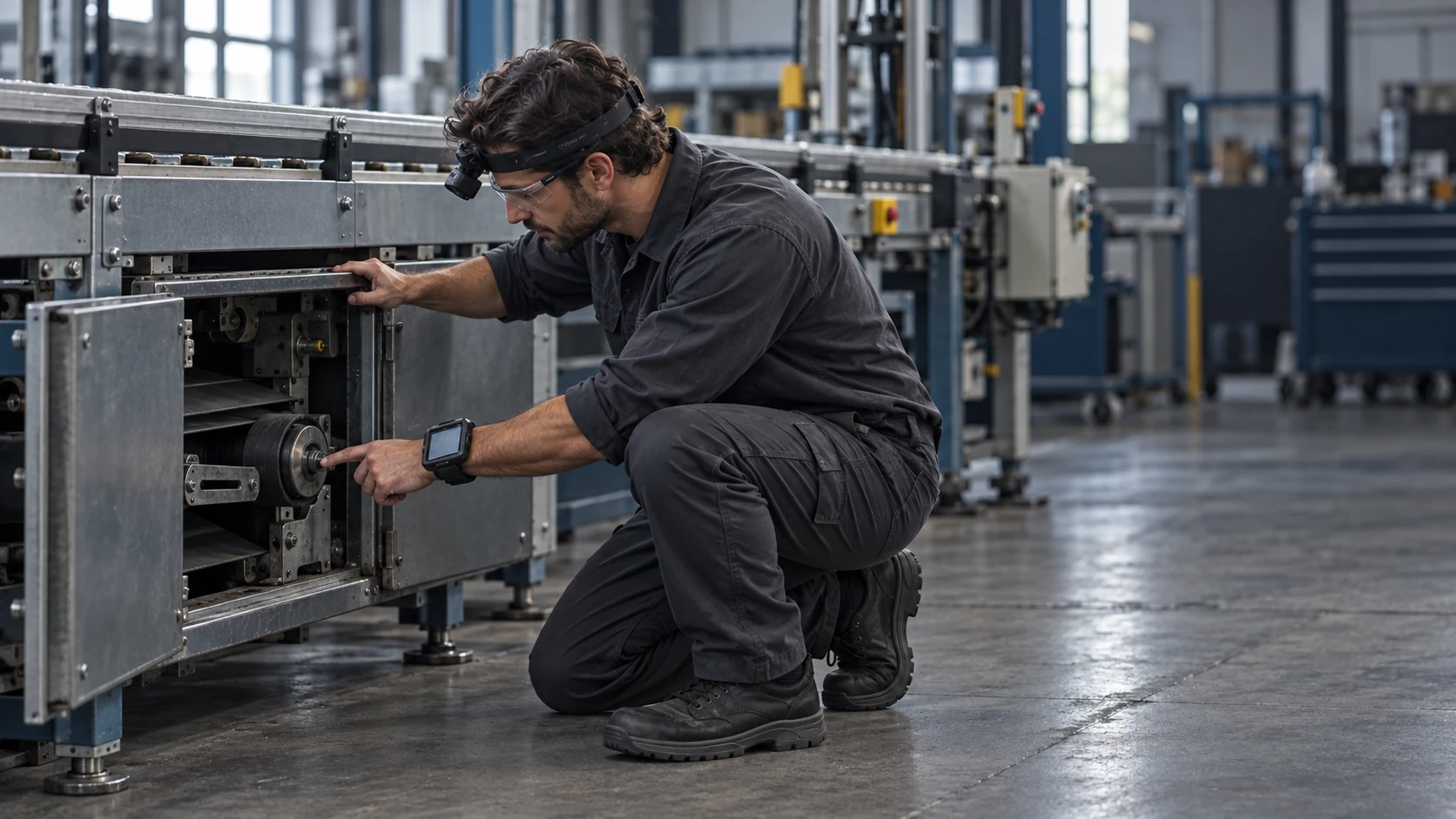
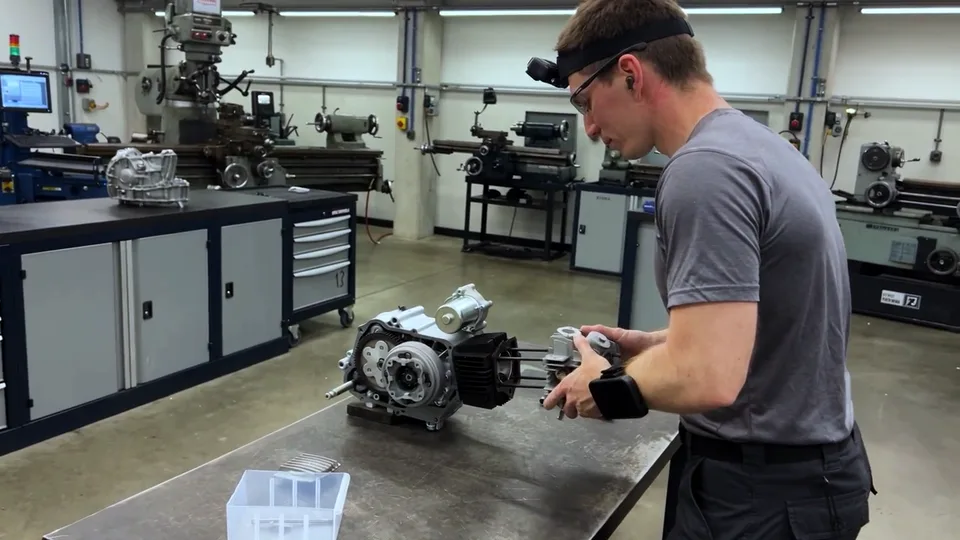
Industrial worker using the Mimetik AI Glove on factory equipment

What We Offer

AI Consulting & R&D for Industrial Systems

There is a lot of noise around new AI applications. We help industrial companies cut through it and make the right AI choices.

Our focus is measurable value, smooth integration, and solutions that work in real operations.

Opportunity Assessment

We identify high-impact AI use cases with clear operational value.

Prototyping

We build prototypes for worker support, troubleshooting, and AI retrieval.

AI System Deployment

We pilot AI systems to validate impact, reduce risk, and prepare rollout.

Who We Work With

Partners Focused on Practical AI

About Mimetik

About Mimetik

Mimetik was founded in 2020 as a spinoff from Technische Universität Dresden to bring practical AI into manufacturing and maintenance.

Our know-how includes the Mimetik AI Glove, developed to capture manual work context and make AI systems more aware of what is happening on the shopfloor.

We combine sensing, worker interfaces, and AI knowledge systems with consulting, prototyping, and industrial R&D.

FAQ

Frequently Asked Questions

What is AI in manufacturing?

AI in manufacturing refers to the use of artificial intelligence to support production processes, maintenance, and industrial decision-making. In these systems, workers also use physical devices and interfaces that help AI understand the exact task context and respond more precisely.

How can AI help maintenance technicians?

AI can retrieve relevant documentation, assist diagnostics, and make expert knowledge available during work execution. It reduces time spent searching for information and helps technicians resolve issues faster.

How can AI reduce downtime?

AI systems help technicians identify problems faster by retrieving relevant documentation, maintenance history, and troubleshooting procedures during diagnostics.

Can AI retrieve technical documentation?

Yes. AI systems can analyze large documentation sets such as manuals, service procedures, asset records, and maintenance history, then use device-captured workflow context to retrieve more relevant information during tasks.

Is AI useful for technician training?

Yes. AI can provide contextual guidance during real work tasks, allowing new technicians to learn directly in operational environments.

Final CTA

Explore AI Opportunities in Your Operations

If you are exploring how AI could improve production or maintenance in your company, let’s discuss it.

Book a 30-Minute Advisory Call